
Category: AI in Culture & Society
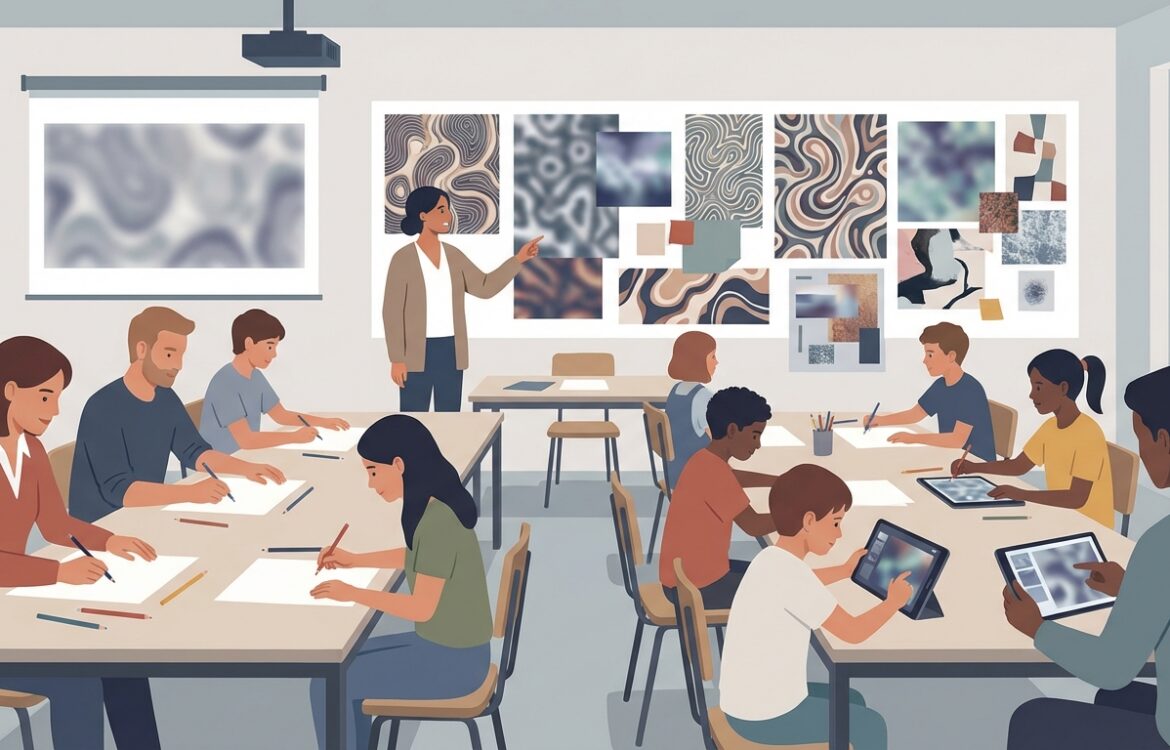
AI and Creativity: Tools, Taste, and Craft — What the Evidence Says and Practical Steps for Creators
This evidence-based overview examines how AI and creativity are changing creative work, taste, and craft. It summarizes observable signals, reported benefits and limits, documented risks (legal, economic, cultural), how different groups are affected, and practical guidance creators and organizations can use now.

How AI Changes Organizations: Practical Evidence on Work, Structure, and Risk
This evidence-focused article examines how AI changes organizations today: observable signals of adoption, reported benefits and limits, documented concerns and their evidence levels, who gains or loses, and practical advice leaders and workers can use to navigate change responsibly.

AI and education: New norms for classrooms, assessment, and learning support
This evidence-focused article examines how AI is changing education—from classroom practice and tutoring to assessment and policy—by summarizing observable signals, reported benefits, documented risks, uneven effects across groups, and practical steps educators, students, and leaders can take. Sources include OECD, UNESCO, US Department of Education, randomized trials and peer-reviewed reviews.

AI and Information Quality: How Generative Systems Are Changing What We Trust and Why It Matters
Generative AI is reshaping how people encounter facts, news, and creative work. This evidence-focused guide explains what’s changing in information quality, what people report as benefits, documented risks (with sources), who is most affected, and practical steps readers can take to evaluate and use AI responsibly.
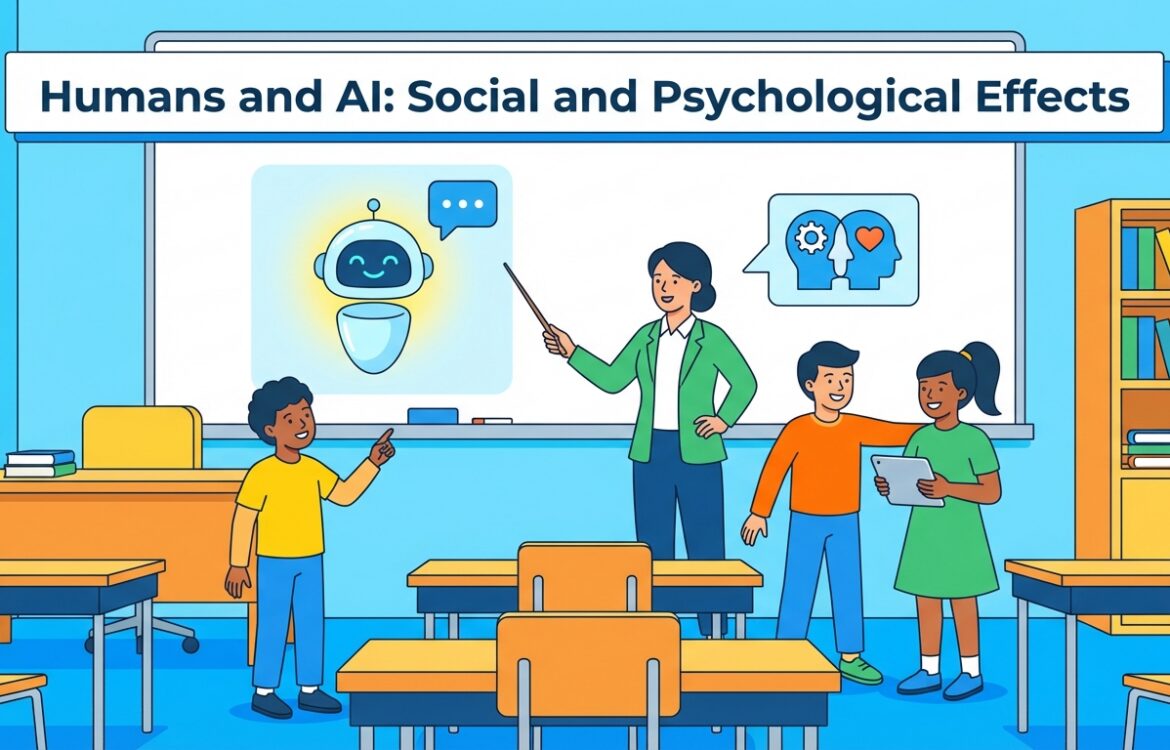
Humans and AI: Social and Psychological Effects — What the Evidence Says About Work, Learning, Creativity and Relationships
This evidence-aware overview examines how humans and AI interact across work, education, media, creativity and relationships. It summarizes observable signals, reported benefits, documented risks, who is affected, and practical guidance based on research and reputable surveys.

AI and work: What changes first — early signals, benefits, risks, and practical steps
This evidence-focused guide explains which aspects of work are already shifting as AI tools spread, what workers and employers report, where the evidence is strong or mixed, who is most affected, and practical, human-centered steps organizations and individuals can take now.

AI bias, fairness, and impact: What we know, what’s changing, and practical steps for people and organizations
AI bias is a measurable and evolving part of how machine learning shapes work, education, media and public services. This evidence-aware guide summarizes observable signals, reported benefits, documented harms and mitigation approaches, cites major studies and policy frameworks, and gives practical, human-centered steps readers can use to evaluate or influence AI systems responsibly.