
Author: Liam Parker

Open vs Closed AI: Mapping the Competitive Landscape and Practical Trade‑offs
This evidence‑led analysis examines the competitive dynamics between open and closed AI approaches. It separates verified signals—model releases, enterprise adoption, API gating, and cost trends—from areas that remain uncertain, and offers practical implications and watch‑list metrics for teams and decision makers.
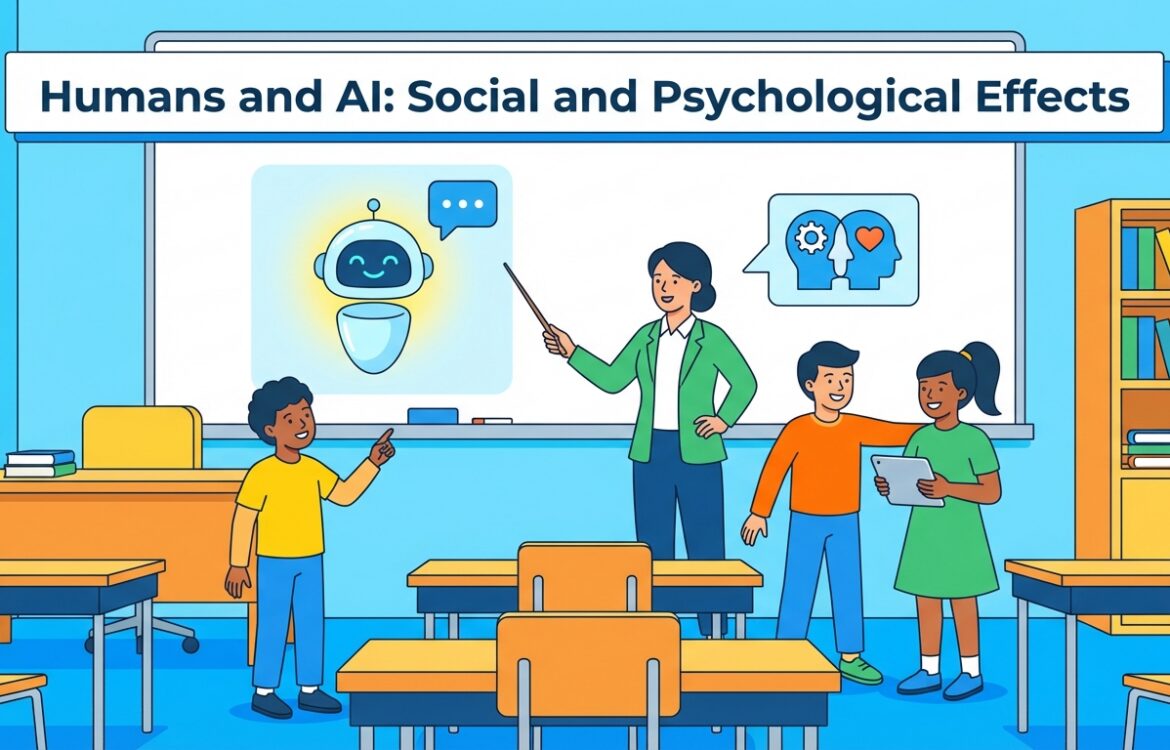
Humans and AI: Social and Psychological Effects — What the Evidence Says About Work, Learning, Creativity and Relationships
This evidence-aware overview examines how humans and AI interact across work, education, media, creativity and relationships. It summarizes observable signals, reported benefits, documented risks, who is affected, and practical guidance based on research and reputable surveys.

Consumer AI: New Behaviors and Expectations — Verified Signals, Drivers, and Practical Implications
This analytical article examines how consumer AI is changing everyday behaviors, the verified signals driving adoption, where experts disagree, and practical takeaways for product teams, creators, and users. It separates documented facts from open uncertainties and cites industry reports, surveys, and vendor announcements.
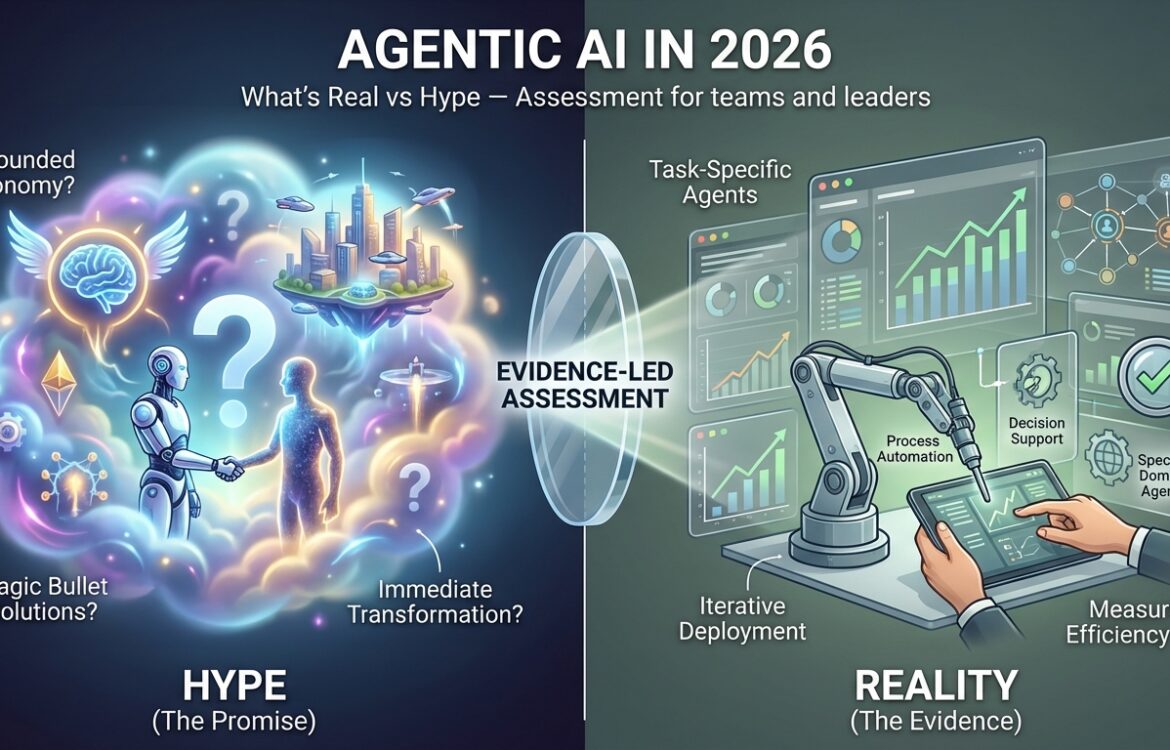
Agentic AI in 2026: What’s Real vs Hype — Evidence-led assessment for teams and leaders
A balanced, source‑based look at agentic AI in 2026: what current products and research actually deliver, where risks and uncertainties remain, and practical guidance for teams, creators, and users deciding whether and how to adopt agentic systems.

AI and work: What changes first — early signals, benefits, risks, and practical steps
This evidence-focused guide explains which aspects of work are already shifting as AI tools spread, what workers and employers report, where the evidence is strong or mixed, who is most affected, and practical, human-centered steps organizations and individuals can take now.

AI bias, fairness, and impact: What we know, what’s changing, and practical steps for people and organizations
AI bias is a measurable and evolving part of how machine learning shapes work, education, media and public services. This evidence-aware guide summarizes observable signals, reported benefits, documented harms and mitigation approaches, cites major studies and policy frameworks, and gives practical, human-centered steps readers can use to evaluate or influence AI systems responsibly.

Enterprise AI Adoption: What’s Working — Evidence from Recent Deployments
A grounded, evidence-led look at enterprise AI adoption: where organizations are realizing value, which practices reduce risk, where experts disagree, and what measurable signals teams should track as they move from pilots to scaled production.