
Month: January 2026
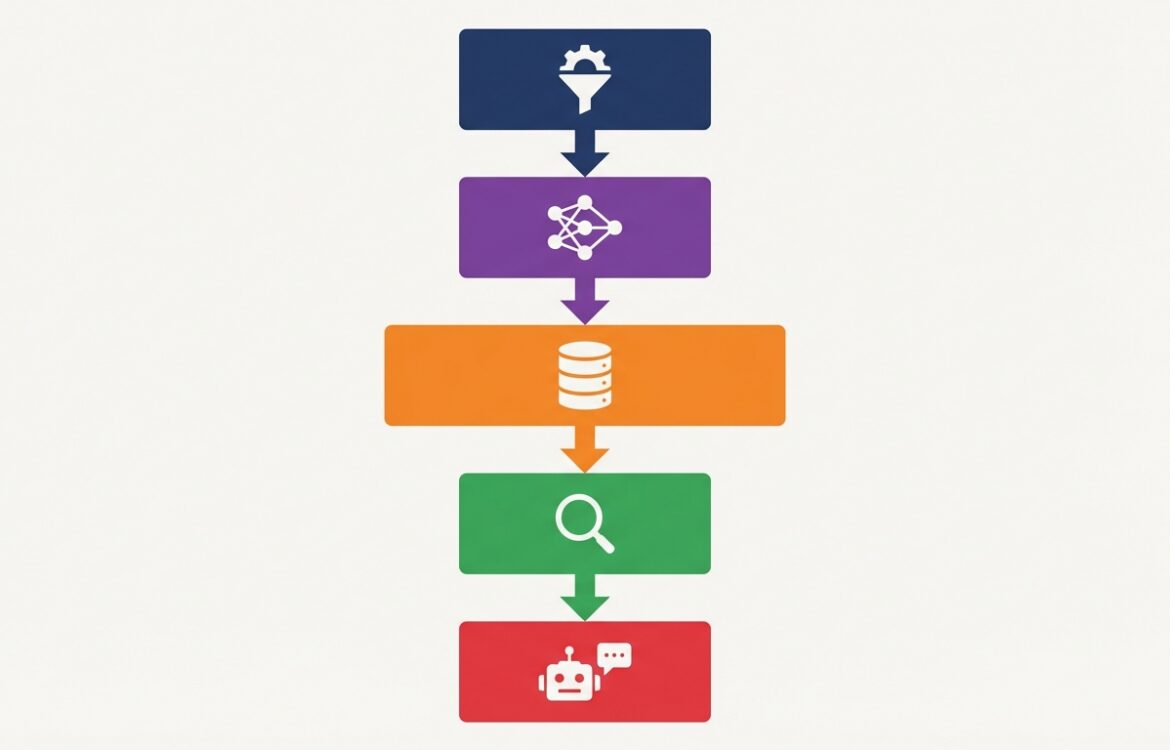
RAG in Production: A Practical Engineering Guide — Architecture, Trade-offs, and Operational Checklist
A practical, implementation-focused guide for engineers deploying Retrieval-Augmented Generation (RAG) systems. Covers architectures, retriever choices, vector databases, indexing and update patterns, security (including prompt-injection), evaluation metrics, monitoring, and common mistakes—grounded in academic and engineering sources and annotated with production references.

AI for Leaders: A Practical Workflow to Improve Clarity, Communication, and Decisions
A step-by-step, evidence-backed guide for executives and senior leaders who want to use AI to create clearer briefings, better stakeholder communication, and safer decision support. Includes a reproducible workflow, tool checklist (privacy, RAG, explainability), common pitfalls, and FAQs grounded in NIST, OECD, and vendor guidance.

How AI Changes Organizations: Practical Evidence on Work, Structure, and Risk
This evidence-focused article examines how AI changes organizations today: observable signals of adoption, reported benefits and limits, documented concerns and their evidence levels, who gains or loses, and practical advice leaders and workers can use to navigate change responsibly.

AI for Operations: The Team Toolkit — Practical Workflows, Tools, and Use Cases
A practical guide to implementing AI for Operations (AIOps) within operations teams. Learn what AIOps solves, a step-by-step workflow to deploy it, recommended tools and data sources, concrete use cases for monetization and efficiency, and how to avoid common mistakes and limitations backed by vendor case studies and research.

Inference and Infrastructure: Cost and Performance — Practical trade‑offs for serving LLMs
A technical guide to inference and infrastructure cost and performance trade‑offs for LLM-based systems. Covers RAG vs fine‑tuning, quantization and offload, batching and concurrency, vector store economics, tooling (Triton, DeepSpeed, FlexGen), and monitoring best practices with concrete implementation considerations and sources.
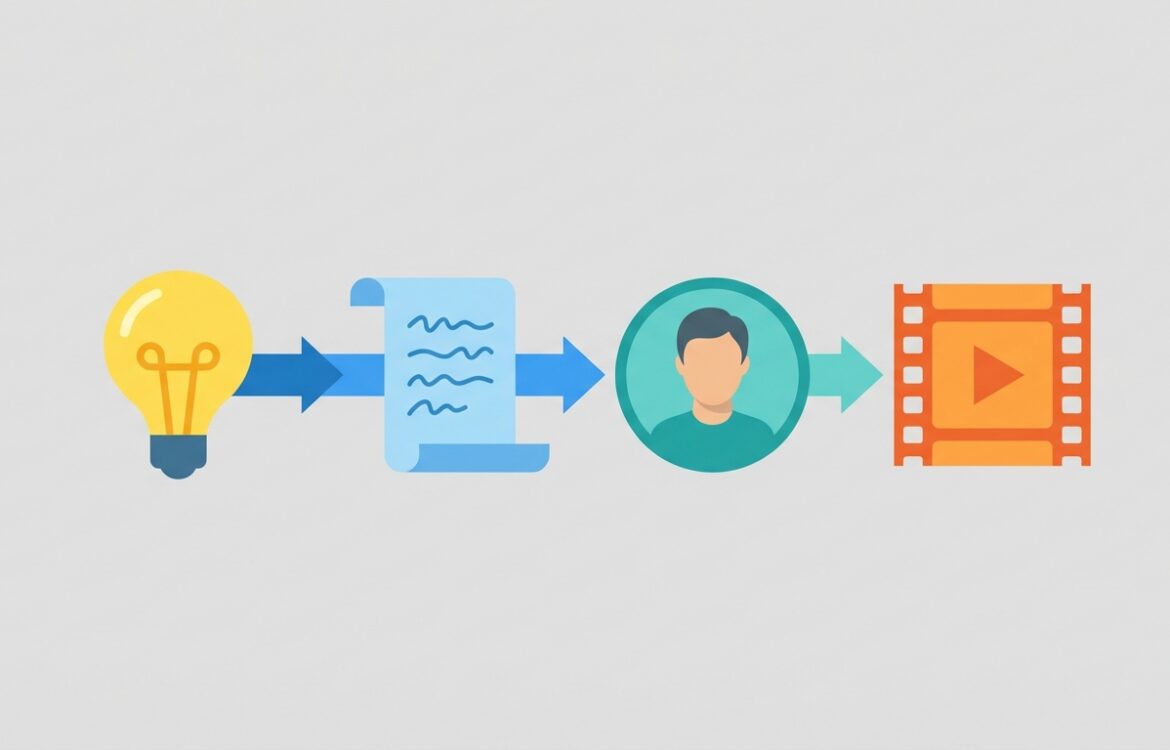
AI video tools: From idea to clip — features, pricing, and how to choose
An evidence-based review of AI video tools that turn concepts into short clips. This article explains what these tools do (and don’t), compares key features and limitations, summarizes pricing and privacy considerations, and suggests alternatives for common workflows. Includes cited documentation and third-party reporting to help realistic evaluation.

Fine-Tuning LLMs: When, Why, and How — Practical Guide to Methods, Trade-offs, and Deployment
A technical, implementation-focused guide to Fine-Tuning LLMs: When, Why, and How. Covers supervised fine-tuning, parameter-efficient methods (LoRA/adapters/PEFT), RAG vs tuning trade-offs, dataset curation, evaluation practices, deployment considerations, security risks, and common implementation mistakes backed by official docs and primary research.

AI and education: New norms for classrooms, assessment, and learning support
This evidence-focused article examines how AI is changing education—from classroom practice and tutoring to assessment and policy—by summarizing observable signals, reported benefits, documented risks, uneven effects across groups, and practical steps educators, students, and leaders can take. Sources include OECD, UNESCO, US Department of Education, randomized trials and peer-reviewed reviews.

Affiliate Sites with AI: What Works Now — Practical Business Models, Costs, and ROI
A practical guide for publishers and entrepreneurs who want to use AI on affiliate sites without hype. This post compares business models, gives a step-by-step execution plan, realistic cost ranges (tooling, API usage, human editing), compliance steps, risk controls, and the metrics that matter for ROI.
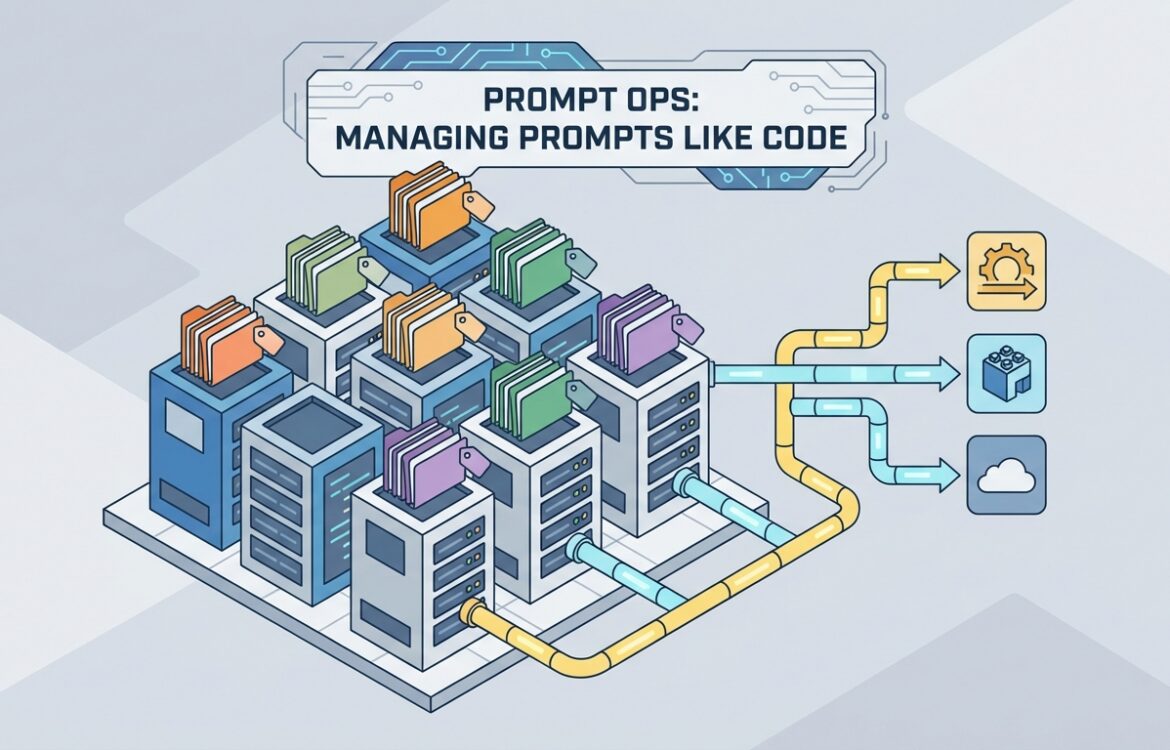
Prompt Ops: Managing Prompts Like Code for Reliable, Repeatable LLM Systems
A systems-first guide to Prompt Ops — treating prompts as versioned, tested, deployable code. Learn core principles, a recommended prompt structure, a step-by-step workflow, and concrete QA and failure-mode practices tied to tools and industry guidance.