
Month: December 2025

Privacy for AI Products: A Practical Guide for Developers and Compliance Teams
A neutral, evidence-based practical guide to privacy considerations when building, deploying, or buying AI products. Covers definitions, what regulators in the EU, UK and U.S. say, DPIAs/ADMT obligations, practical controls (data minimisation, logging, model governance, differential privacy), common misconceptions, and open questions for product teams and privacy officers. This is informational, not legal advice.

Copyright and AI: What Creators Should Know — A Practical Guide for Creators
An evidence‑based overview for creators on how copyright intersects with generative AI. Covers definitions, major regulatory developments and cases in the US, EU and UK, practical steps creators and small teams can take to reduce legal and reputational risk, common misconceptions, and open questions that may change how works are used to train and deploy AI.

Open vs Closed AI: Mapping the Competitive Landscape and Practical Trade‑offs
This evidence‑led analysis examines the competitive dynamics between open and closed AI approaches. It separates verified signals—model releases, enterprise adoption, API gating, and cost trends—from areas that remain uncertain, and offers practical implications and watch‑list metrics for teams and decision makers.

Humans and AI: Social and Psychological Effects — What the Evidence Says About Work, Learning, Creativity and Relationships
This evidence-aware overview examines how humans and AI interact across work, education, media, creativity and relationships. It summarizes observable signals, reported benefits, documented risks, who is affected, and practical guidance based on research and reputable surveys.

Securing LLM Apps: Practical Threat Modeling for RAG, Fine‑Tuning, and Deployment
A practical, implementation‑focused guide to threat modeling Large Language Model (LLM) applications. Covers attack classes (prompt injection, model extraction, data poisoning), RAG/vector DB considerations, fine‑tuning risks, mitigations (access control, DP, monitoring), testing and red‑teaming, and common implementation mistakes—grounded in published research, vendor guidance, and standards.
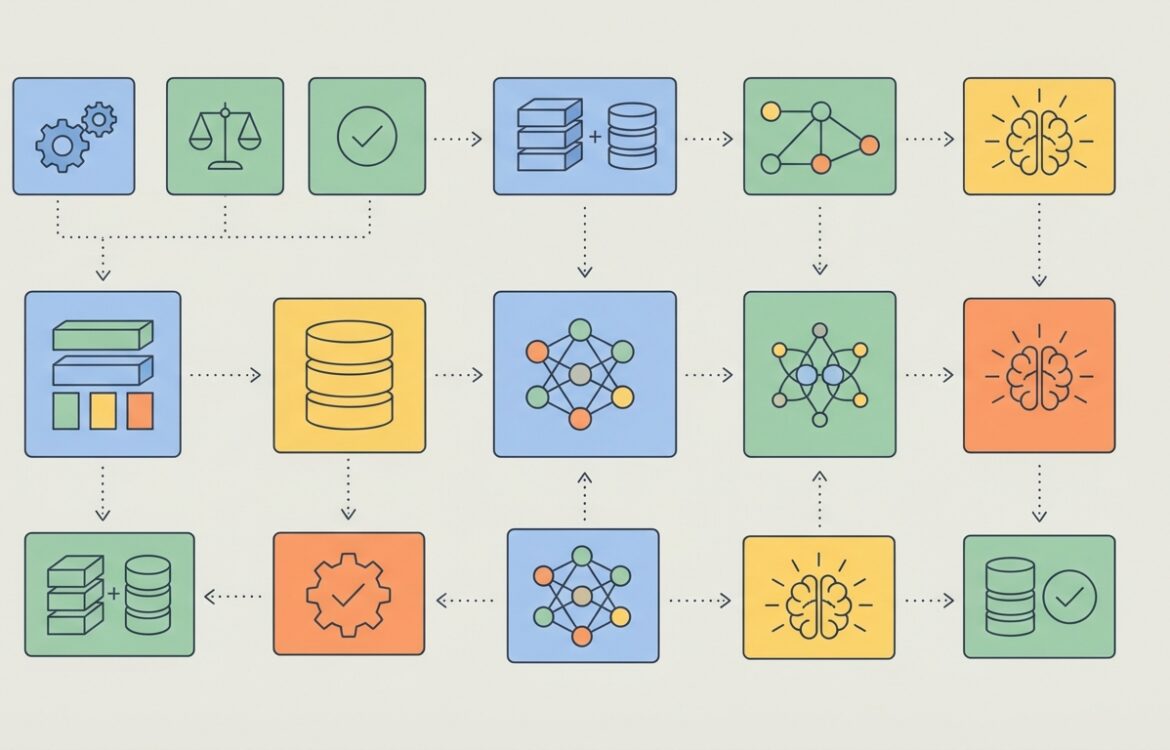
LLM Evaluation Tools: How to Measure What Matters When Comparing Evaluation Frameworks
A neutral, evidence-based guide to key LLM evaluation tools, what they actually measure, trade-offs, pricing and data/privacy considerations. Covers OpenAI Evals, LM‑Eval‑Harness, Hugging Face Evaluate, HELM and practical alternatives so teams can choose the right evaluation approach for real-world LLM development.

Consumer AI: New Behaviors and Expectations — Verified Signals, Drivers, and Practical Implications
This analytical article examines how consumer AI is changing everyday behaviors, the verified signals driving adoption, where experts disagree, and practical takeaways for product teams, creators, and users. It separates documented facts from open uncertainties and cites industry reports, surveys, and vendor announcements.

AI Micro-SaaS: From Idea to Launch — A practical guide to building, launching, and monetizing AI-powered micro-SaaS
A realistic, ROI-focused playbook for founders and makers who want to build an AI Micro-SaaS: From Idea to Launch. Covers business models, step-by-step execution, costs and tooling (OpenAI, Hugging Face, AWS, Stripe), timelines, compliance risks (GDPR, data use), and the metrics you must track to prove unit economics.
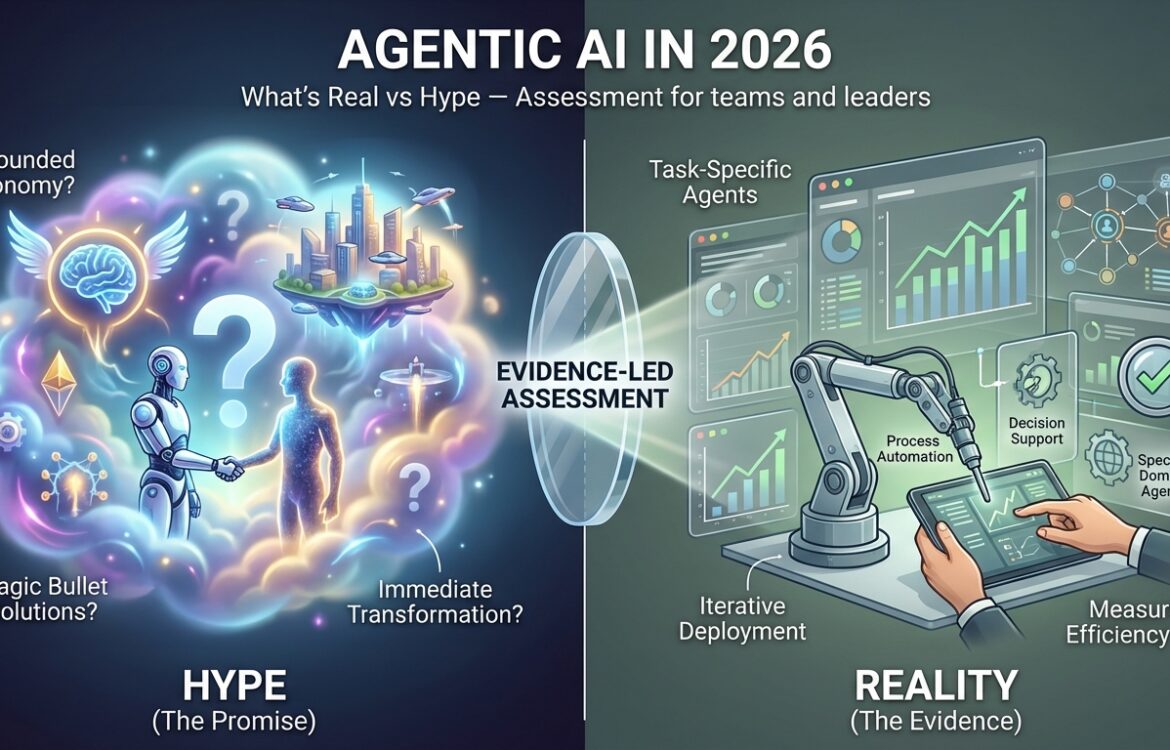
Agentic AI in 2026: What’s Real vs Hype — Evidence-led assessment for teams and leaders
A balanced, source‑based look at agentic AI in 2026: what current products and research actually deliver, where risks and uncertainties remain, and practical guidance for teams, creators, and users deciding whether and how to adopt agentic systems.

AI for E-commerce Income Streams: Practical Business Models, Costs, and ROI Roadmap
A practical guide for founders, product managers, and marketing leaders who want to build revenue from AI in e-commerce—productized services, AI-enabled products, and automation that improves ROI. Covers business models, step-by-step execution, tooling and cost ranges, regulatory traps, and the metrics you must track to validate real income.